Pad Printing Services
Using a silicone pad, we apply ink to curved and uneven surfaces at micron-level precision — delivering durable, consistent prints even on the most challenging geometries.
Indirect Gravure Printing Technology
Pad printing is an indirect printing method where ink is transferred from a metal cliché to the product surface via a silicone pad.
This technique enables high-quality printing on non-flat, curved, concave, or convex surfaces. It's widely used in automotive, electronics, and medical industries.
Our Advantages
3D Surface Compatibility
Consistent adaptation to complex geometries and curved surfaces
Multi-Color Printing
High-precision printing with multiple colors in a single pass
Micron Precision
Precision printing technology capturing the finest details
Durable Inks
High resistance to UV, chemicals, and abrasion
High Production Speed
Efficient processes optimized for mass production
Material Versatility
Print on plastic, metal, glass, and more
Application Areas
- Automotive interior trim parts
- Dashboard components
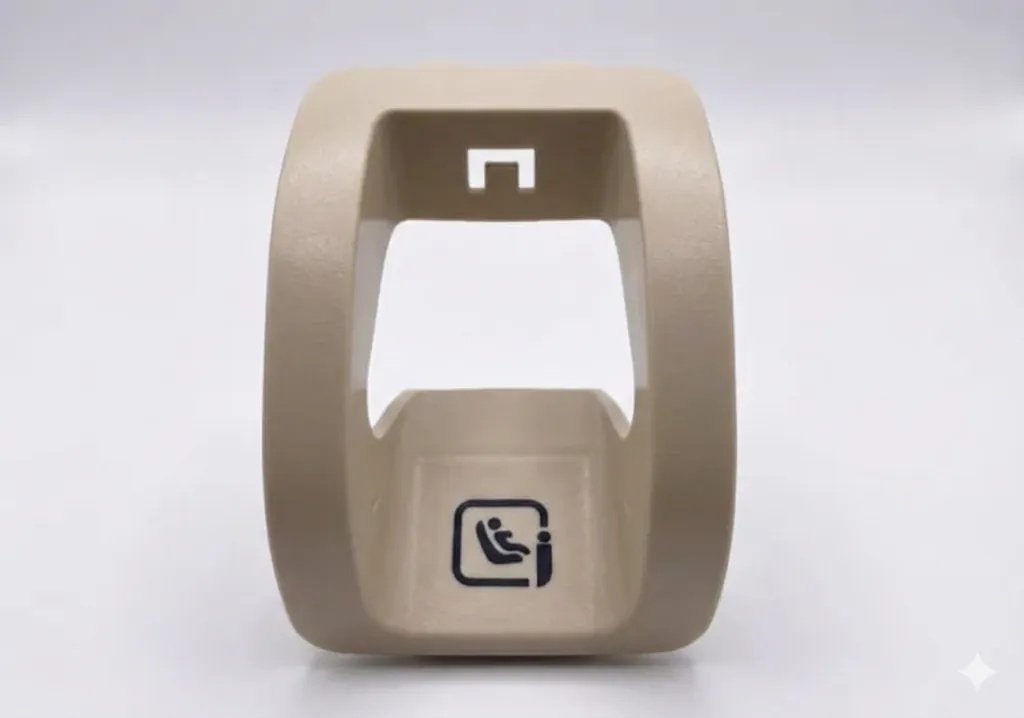
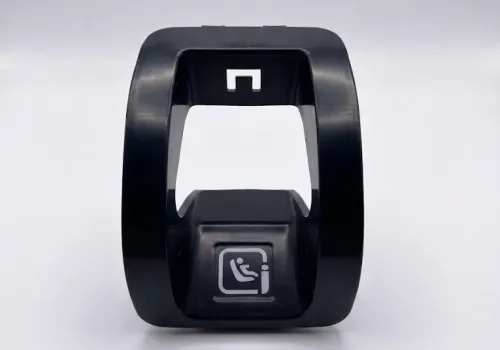
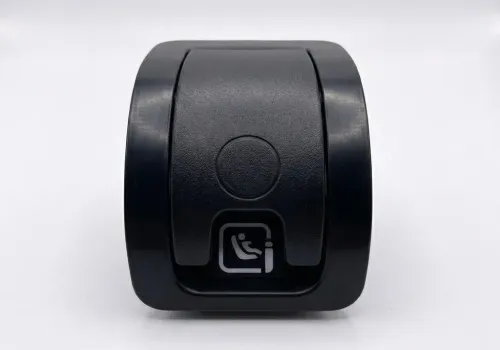
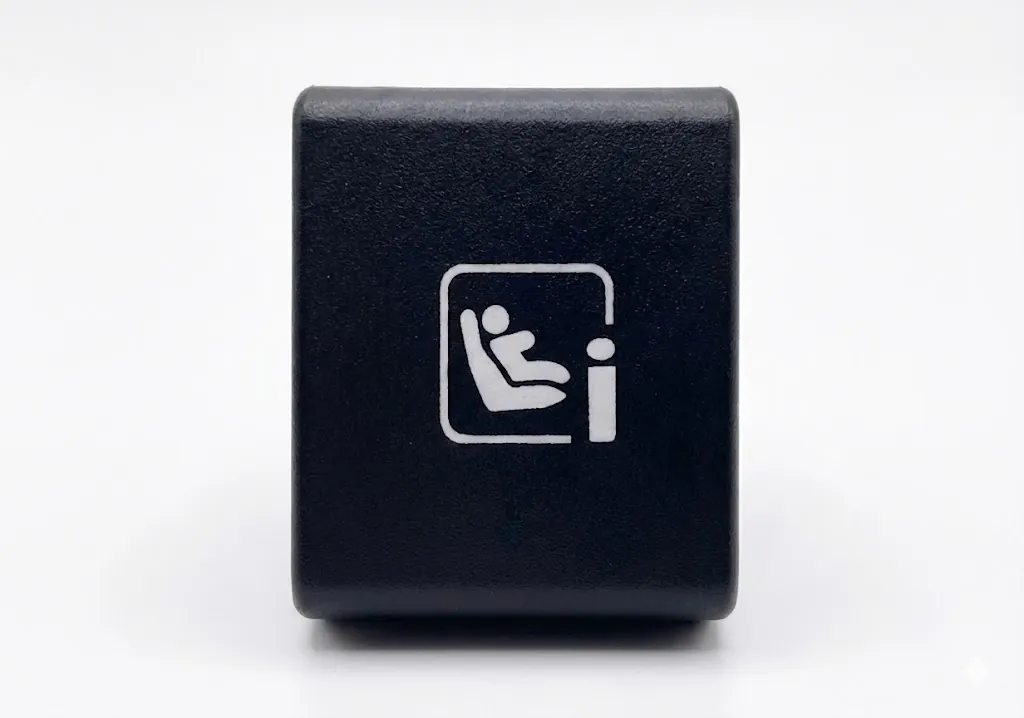
- Safety parts (ISOFIX, clips)
- Electronic device housings
- Medical equipment markings
- Industrial part labeling
Examples of Our Work
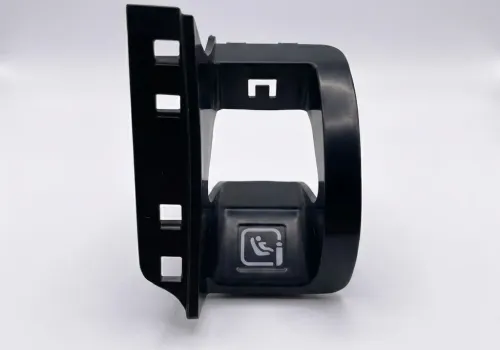
Let's Discuss Your Project
Contact us for your pad printing requirements.
E-posta
[email protected]Adres
Küçükbalıklı Mah. No:83, Bursa
Common Questions About Pad Printing
What is pad printing and which surfaces does it work on?
Pad printing is an indirect method in which ink is picked up from a metal cliché by a silicone pad and transferred onto the product surface. Its strength is non-flat surfaces: it prints consistently on curved, concave, convex, and complex three-dimensional geometries. That is what sets it apart from flat-surface printing.
Is multi-color pad printing possible?
Yes, pad printing supports multi-color work. Each color uses its own cliché and pad, applied to the same part in sequence. Color registration and print placement stay consistent batch after batch thanks to our micron-level process control, which gives predictable results for logos and multi-color markings.
Which materials and sectors is pad printing used for?
Pad printing applies to plastic, metal, glass, and similar rigid surfaces. Its most common use is the automotive supply industry; it is also chosen in electronics and medical sectors. Our inks resist UV, chemicals, and abrasion, so prints stay durable in demanding in-vehicle use.
What is the difference between pad printing and screen printing, and which should I choose?
The core difference is surface geometry. Pad printing is the right choice for curved, concave, and three-dimensional parts and for small, detailed markings. Screen printing suits flat, large surfaces and jobs needing a thick ink film. If your part is 3D and detailed, choose pad printing; if it is large and flat, choose screen printing.
How precise is pad printing, and what tolerances do you work to?
Pad printing transfers fine detail at micron level and stays sharp on small text and thin lines. By controlling cliché preparation, pad hardness, and print parameters, we keep print placement repeatable batch after batch. Share your part-specific tolerance expectation and we confirm it together on a sample.
Where is pad printing typically used in automotive?
In automotive, pad printing is used for symbols, warnings, and branding on interior trim parts, dashboard components, clips, and safety parts such as ISOFIX anchors. These small but critical markings sit on non-flat surfaces and, thanks to ink durability, stay legible for the life of the vehicle.