Screen Printing Services
High-quality screen printing technology for flat and large surfaces, delivering durable results with vibrant, lasting colors.
Mesh Printing Technology
Screen printing (serigraphy) is a technique where ink is pushed through a fine mesh stencil onto the substrate, creating durable and vibrant prints.
This method is ideal for large, flat surfaces requiring thick ink deposits. It's extensively used for control panels, appliance interfaces, and automotive dashboards.
Our Advantages
Large Print Area
Single-pass quality printing on large surfaces
Vibrant Colors
Eye-catching prints with bright, sharp colors
High Durability
Long-lasting prints resistant to UV and chemicals
Material Versatility
Print on plastic, glass, metal, and textiles
Fast Production
Efficient processes for high-volume orders
Lasting Results
Prints that resist fading and wear for years
Application Areas
- Boiler and appliance front panels
- Automotive dashboard displays
- Industrial control panels
- Electronic device housings
- Glass and mirror printing
- Decorative surface applications
Examples of Our Work
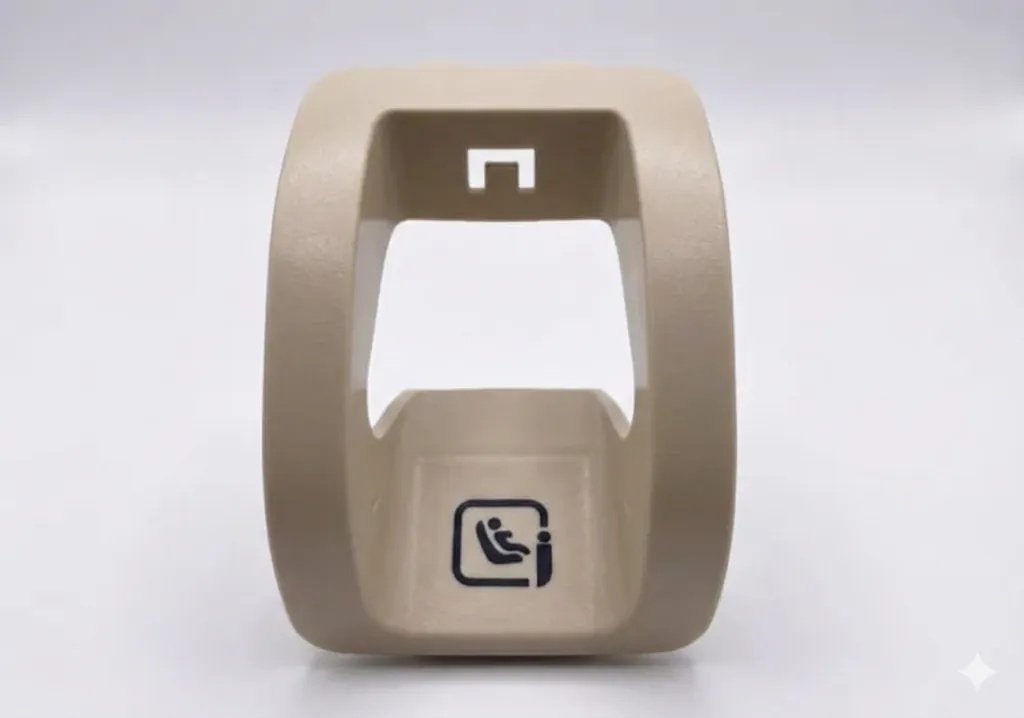
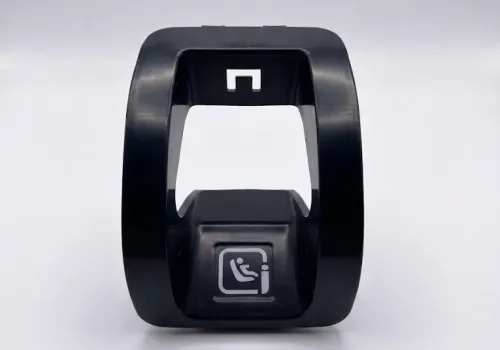
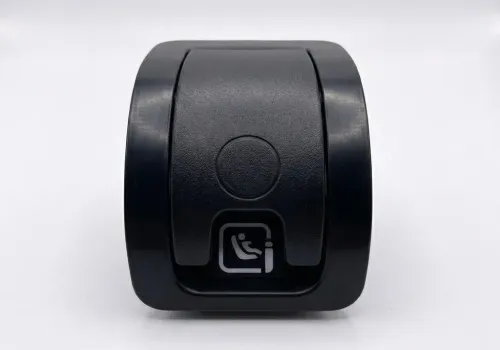
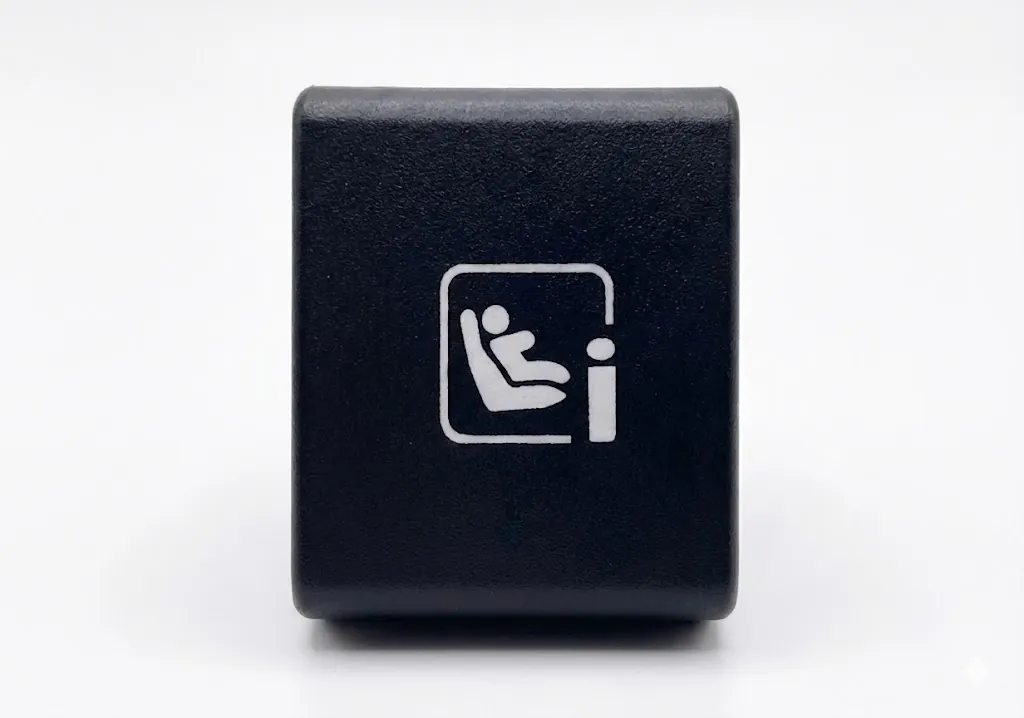
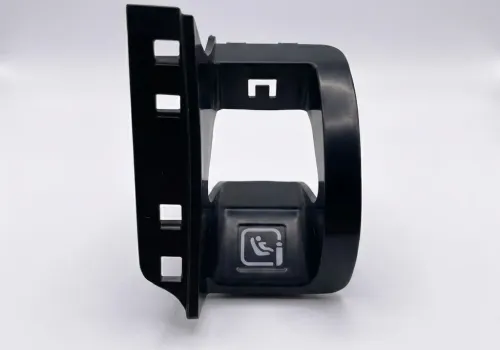
Let's Discuss Your Project
Contact us for your screen printing requirements.
E-posta
[email protected]Adres
Küçükbalıklı Mah. No:83, Bursa
Common Questions About Screen Printing
What is screen printing and what is it best used for?
Screen printing is a method where ink is pushed through a fine mesh stencil onto the substrate. It performs best on flat, large surfaces; because it can lay down a thick ink film in a single pass, it is the preferred choice for large-area prints such as panels and instrument faces.
How durable is screen printing against UV and abrasion?
Screen printing is known for high durability. The thick ink film it leaves makes prints long-lasting against UV, chemicals, and mechanical abrasion. That is why it is used with confidence on control panels and instrument surfaces that must stay legible and unfaded for years.
Which materials can screen printing be applied to?
Screen printing applies to plastic, glass, metal, and many rigid materials with the right surface preparation. Appliance front panels, automotive instrument faces, and industrial control panels are typical examples. Share your material type and we select the ink and pre-treatment to match your requirement.
How should I choose between screen printing and pad printing?
The choice depends on surface shape. Screen printing suits flat, large surfaces and jobs that need a thick, opaque ink film. For curved, concave, or three-dimensional parts, pad printing is the right method. For a large flat panel, choose screen printing; for a 3D, detailed part, choose pad printing.
What products is screen printing typically used on?
Screen printing is used on boiler and appliance front panels, automotive instrument faces, industrial control panels, and glass and decorative surface applications. These uses need both a large print area and a durable, sharp appearance — a need the thick ink film of screen printing is well suited to meet.